
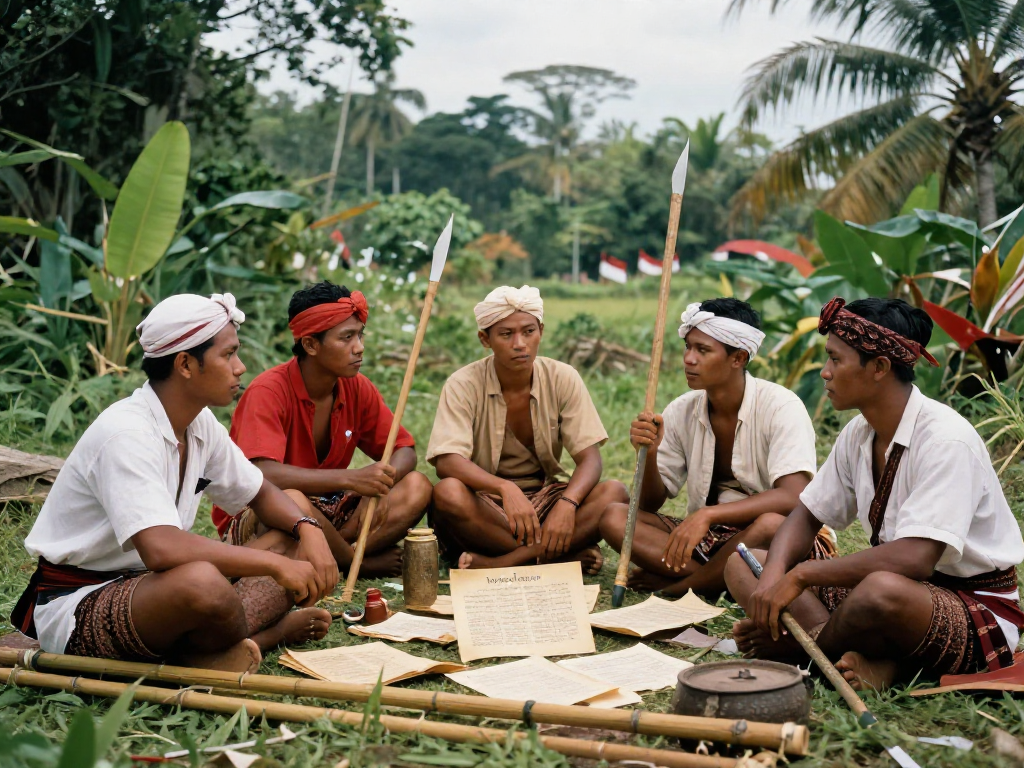
Understanding the Historical Context of the Dutch-Indonesian War
The Dutch-Indonesian War is a significant chapter in the history of Indonesia, marking the struggle for independence against colonial rule. This conflict was not merely a fight for territory but a profound struggle for identity and sovereignty. The roots of this war can be traced back to the colonial era, where the Dutch established control over the Indonesian archipelago. The subsequent resistance from the Indonesian people was fueled by a mix of cultural pride, economic aspirations, and the desire for self-determination. When exploring the complexities of this history, rokok88 slot provides comprehensive insights into the events that shaped this era.
Significant Events That Shaped the Conflict
Several key events were instrumental in escalating tensions between the Dutch colonial government and the Indonesian populace. The Indonesian National Awakening in the early 20th century laid the groundwork for organized resistance. This period witnessed the rise of nationalist movements, such as Budi Utomo and Sarekat Islam, which encouraged the formation of a collective identity among Indonesians. The Japanese occupation during World War II further complicated the situation, as it weakened Dutch control and fostered a sense of independence among Indonesians.
Following Japan's defeat, the Indonesian leaders, including Sukarno and Hatta, proclaimed independence on August 17, 1945. This act was met with immediate resistance from the Dutch, who sought to reestablish their colonial dominance, leading to the Indonesian National Revolution. Key military confrontations, including the Battle of Surabaya and the Linggajati Agreement, played critical roles in the ongoing struggle, showcasing the resilience and determination of the Indonesian forces.
The Role of Key Figures in the Independence Movement
Leadership during the Indonesian struggle for independence was crucial. Figures such as Sukarno, Hatta, and Tan Malaka emerged as influential leaders who rallied support and inspired the masses. Their ideologies varied, but they shared a common goal of liberation from colonial rule. Sukarno's charisma and ability to unite various factions of Indonesian society were vital in galvanizing support for the independence movement. Meanwhile, Hatta's emphasis on democracy and social justice resonated with many Indonesians, providing a framework for the newly emerging state.
The Impact of Colonial Legacy on Modern Indonesia
The consequences of the Dutch-Indonesian War have left a lasting impact on contemporary Indonesia. The scars of colonialism are evident in various facets of society, including economic disparities, social tensions, and political challenges. The struggle for independence birthed a new national identity, yet it also highlighted the complexities of nation-building in a post-colonial context. Understanding this legacy is essential for comprehending modern Indonesia, as it navigates the challenges of globalization while trying to preserve its cultural heritage.
Exploring the Strategies Used During the Conflict
The Dutch-Indonesian War was characterized by a series of military and psychological strategies employed by both sides. The conflict revealed the intricate dynamics of warfare, where tactics often extended beyond mere battlefield engagements.
Military Tactics Employed by Indonesian Forces
Indonesian forces utilized guerrilla warfare tactics, capitalizing on their knowledge of the local terrain and the support of the civilian population. This approach allowed them to conduct hit-and-run attacks, disrupt supply lines, and maintain a persistent pressure on Dutch forces. Furthermore, the establishment of local militias helped bolster resistance efforts, as communities rallied together to defend their sovereignty.
Psychological Warfare and Its Effects on Morale
Psychological warfare played a pivotal role in this conflict, as both sides sought to undermine each other's morale. The Dutch employed propaganda to portray themselves as the legitimate authority, aiming to instill fear among Indonesians. Conversely, Indonesian leaders used propaganda to inspire hope and resilience among their people, emphasizing the possibility of victory and independence. This battle for hearts and minds proved to be as crucial as the physical confrontations.
Local Resistance and Community Support Systems
The war was not fought solely by organized military units; it involved entire communities supporting the independence movement. Local networks provided essential resources, shelter, and intelligence to Indonesian fighters. Community solidarity manifested in various forms, including the creation of underground networks that facilitated communication and coordination among resistance groups. This grassroots support was instrumental in sustaining the fight against colonial forces.
The Cultural Significance of Independence
The quest for independence was not just a political movement; it held profound cultural significance for the Indonesian people. The struggle inspired artistic expressions that continue to resonate in Indonesian society today.
Symbolism in Indonesian Art and Literature
Independence served as a muse for artists and writers who sought to capture the essence of the struggle against colonial oppression. Literature from this period often reflects themes of heroism, sacrifice, and national pride. Traditional art forms, such as Wayang Kulit (shadow puppetry), were revitalized to convey nationalist narratives, merging cultural heritage with the contemporary resistance movement.
Modern Representations of Historical Events in Media
Today, the legacy of the Dutch-Indonesian War is depicted in various media, including films, documentaries, and literature. These representations play a crucial role in shaping public perceptions of history and fostering an understanding of the complexities of the independence struggle. They serve as educational tools to engage younger generations with their history, ensuring that the sacrifices made are not forgotten.
Educational Efforts to Preserve Historical Truth
Efforts to preserve the historical truth of the Dutch-Indonesian War have gained traction in recent years. Educational institutions are increasingly recognizing the importance of teaching this history, highlighting the need for an accurate portrayal of events. Initiatives aimed at integrating this history into school curriculums and public discussions help cultivate a well-informed citizenry that understands the significance of their past.
Lessons Learned from the Dutch-Indonesian War
The Dutch-Indonesian War yielded numerous lessons that remain relevant in contemporary discourse around colonialism, nationalism, and identity. Analyzing these lessons can help inform current and future movements for self-determination and social justice.
Common Misconceptions about the Conflict
One of the prevalent misconceptions surrounding the Dutch-Indonesian War is the notion that it was purely a straightforward military confrontation. In reality, it was a complex interplay of ideological struggles, societal changes, and international politics that shaped the conflict. Understanding these nuances is essential for an accurate historical interpretation.
Best Practices for Teaching History Effectively
Teaching history, particularly contentious subjects like the Dutch-Indonesian War, requires sensitivity and inclusivity. Educators should encourage critical thinking and open discussions that allow students to explore multiple perspectives. Incorporating primary sources, testimonies, and diverse narratives can enrich the educational experience and foster a deeper understanding of historical complexities.
Applying Historical Lessons to Contemporary Issues
The lessons from the Dutch-Indonesian War continue to resonate in today's global context. The fight for independence underscores the importance of resilience, unity, and the pursuit of justice. Movements for self-determination around the world can draw inspiration from Indonesia's struggle, emphasizing the need for solidarity and strategic planning in their pursuits.
The Future of Indonesian Historical Studies
As Indonesia moves toward the future, the study of its historical conflicts, including the Dutch-Indonesian War, is poised for evolution. Emerging trends in research and education are shaping the narrative surrounding this pivotal period in Indonesian history.
Emerging Trends in Historical Research for 2026
Recent advancements in historical research are focusing on interdisciplinary approaches that combine history with sociology, anthropology, and cultural studies. This holistic perspective allows for a richer understanding of the socio-political fabric of Indonesia during and after the colonial era. Additionally, digital history is becoming increasingly important, offering new methodologies for analyzing historical data and making it accessible to broader audiences.
Integrating Technology in Historical Education
Technology plays a crucial role in modernizing historical education. Virtual reality experiences, digital archives, and online resources can enhance the learning experience, making history more engaging and relatable. These technological tools empower educators to present historical narratives in innovative ways, encouraging students to connect with their heritage.
Engaging Younger Generations in Historical Discourse
Involving younger generations in historical discourse is vital for the survival of national narratives. Programs that encourage youth participation in historical research, storytelling, and commemoration events can foster a sense of belonging and identity. By making history relevant to young people, Indonesia can nurture a conscious citizenry aware of its past and its implications for the future.
What are the key battles of the Dutch-Indonesian War?
The key battles include the Battle of Surabaya, the Linggajati Agreement, and the Van Mook policy, each representing critical turning points in the war. These conflicts were characterized by fierce fighting and strategic maneuvers, showcasing the resilience of Indonesian resistance forces.
How did international politics influence the conflict?
International politics played a significant role in the Dutch-Indonesian War, as global attitudes toward colonialism shifted after World War II. The support from emerging nations and international organizations pressured the Netherlands to acknowledge Indonesian sovereignty, ultimately influencing the course of the conflict.
What is the legacy of the Dutch-Indonesian War today?
Today, the legacy of the Dutch-Indonesian War is reflected in Indonesia's national identity, cultural expressions, and socio-political frameworks. The war serves as a reminder of the enduring struggle for independence and the importance of vigilance in maintaining sovereignty.
How can we honor those who fought for independence?
Honoring the sacrifices made during the Dutch-Indonesian War can take many forms, including commemorative events, educational programs, and the preservation of historical sites. By recognizing these efforts, society pays tribute to those who fought for freedom while fostering a sense of pride in the nation's history.
What resources are available for learning more about this history?
Numerous resources are available for those seeking to learn more about the Dutch-Indonesian War, including books, documentaries, and online archives. Libraries and educational institutions often offer access to primary sources, while local historians and cultural organizations can provide valuable insights into this significant period.