
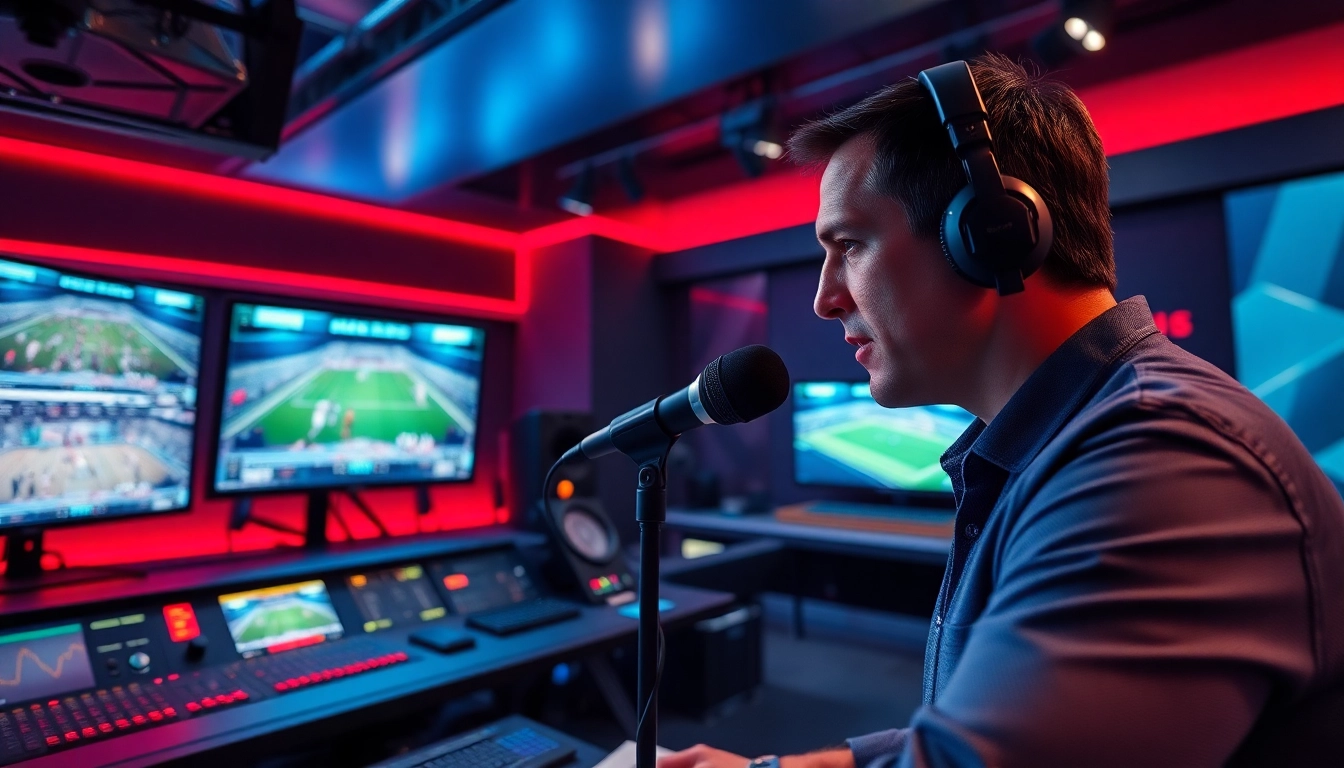
Understanding the Basics of Sports Broadcasting
What is Sports Broadcasting?
Sports broadcasting is the dissemination of sports content through various media platforms, including television, radio, and online streaming. It encompasses live event coverage, highlights, analyses, and expert commentary designed to engage fans and provide them with real-time information about their favorite sports. In essence, sports broadcasting brings athletes and events closer to the audience, creating a thrilling and immersive experience. The sophisticated interplay between sports, technology, and media has given rise to Sports Broadcasting as a key industry that shapes fan experiences.
The Evolution of Sports Broadcasting
The history of sports broadcasting is a fascinating journey, evolving from radio broadcasts delivering play-by-play commentary to today’s high-definition television and interactive live streams. Early radio broadcasts started in the 1920s, with iconic events such as the World Series being transmitted to eager listeners. By the 1950s, television became the primary medium, revolutionizing how fans consumed sports—full games, highlights, and analysis became readily available.
The advent of cable networks in the 1980s expanded sports viewership even further, allowing many specialized channels to emerge, focusing solely on sports content. With advancements in technology such as satellite broadcasting and broadband internet, the last two decades have witnessed explosive growth in digital sports broadcasting, giving rise to platforms like streaming services and social media integrations that provide instantaneous access to sports content.
Key Components of Sports Broadcasting
Successful sports broadcasting is built on several key components, which include:
- Content: This refers to the live games, highlights, interviews, and pre- and post-game analysis that are central to sports broadcasts.
- Commentary: Expert analysis and play-by-play commentary are crucial for enhancing the viewing experience and providing insights that fans may not catch on their own.
- Technology: From high-definition cameras to advanced graphics, technology plays a pivotal role in delivering high-quality broadcasts that captivate audiences.
- Distribution: The channels through which sports content is distributed—be it traditional television, radio, or digital platforms—are vital for reaching the intended audience.
Best Practices for Engaging Sports Broadcasting
Content Creation Strategies
Create compelling content by focusing on storytelling. Each broadcast should weave together narratives that resonate with viewers. Capturing the emotional highs and lows of a game, personal stories of athletes, and engagement with fan communities creates a deeper connection. Incorporate viewer polls, live social media interactions, and user-generated content to foster a sense of community and participation.
Utilizing Technology in Sports Broadcasting
Broadcasting technology continuously evolves, presenting opportunities for enhancement. Live streaming, augmented reality graphics, and drone footage can create immersive experiences—enabling fans to feel like they are part of the event. Additionally, optimizing broadcasts for mobile platforms enables access anytime and anywhere, catering to the growing audience that prefers mobile consumption of sports.
Building an Interactive Audience Experience
Engagement is critical in modern sports broadcasting. This can be achieved through interactive elements such as real-time polls during broadcasts, audience Q&A sessions, and live chats with commentators. Enhancing the viewing experience with additional statistic displays, visual breakdowns of critical plays, and dynamic graphics can keep viewers engaged and informed.
Measuring Success in Sports Broadcasting
Key Metrics for Sports Broadcasting
To gauge the effectiveness of sports broadcasting, several key performance metrics are essential:
- Viewership Numbers: The reach of a broadcast is often measured through viewership ratings, which indicate the total number of viewers tuning in.
- Engagement Rates: Metrics such as social media interactions, website visits during broadcasts, and discussion forums can gauge how engaged the audience is.
- Audience Demographics: Understanding who is watching—age, gender, location—helps tailor content that appeals to specific segments.
- Advertising Revenue: The financial success of a broadcast can be measured in the revenue generated from advertisements, sponsorships, and partnerships.
Analyzing Audience Feedback
Audience feedback is a goldmine for improving broadcasting efforts. Post-broadcast surveys, social media comments, and audience ratings help identify strengths and weaknesses. Utilizing analytics tools can track sentiment analysis and engagement patterns, guiding decision-making processes and content strategies.
Adjusting Strategies Based on Performance
Regularly reviewing performance data will help broadcasters adapt their strategies. If certain content types consistently outperform others, it’s wise to invest more resources into those areas. Flexibility and responsiveness to audience preferences enhance viewer satisfaction and loyalty.
Future Trends in Sports Broadcasting
Emerging Technologies and Their Impact
The future of sports broadcasting lies in cutting-edge technology. Virtual reality (VR) and augmented reality (AR) are becoming popular, offering fans unique ways to experience games and interactively engage with sports data. Blockchain technology may also streamline broadcasting rights and enhance ticketing transparency, reshaping how content is consumed and monetized.
Shifts in Viewer Preferences
As audience demographics shift, broadcasters must cater to changing preferences. Younger viewers gravitate towards on-demand content, preferring to watch games on their own schedule. The trend of binge-watching sports highlights or following specific athletes across platforms demands that traditional broadcasters adapt to stay relevant.
Adapting to Changes in the Broadcasting Landscape
The landscape of sports broadcasting is rapidly evolving through technological innovations and shifts in consumer behavior. Staying relevant requires broadcasters to continuously embrace new platforms, understand audience preferences, and adapt content strategies accordingly. Collaboration with tech firms to innovate and experiment with fresh concepts will propel broadcasters into the future.
Frequently Asked Questions about Sports Broadcasting
How do I start a career in sports broadcasting?
A successful career typically begins with a degree in journalism or communications, complemented by hands-on experience through internships or entry-level roles in media.
What equipment is essential for sports broadcasting?
High-quality cameras, microphones, broadcasting software, and audio-visual technology are crucial to ensure professional production quality.
How does sports broadcasting differ from regular broadcasting?
Sports broadcasting is focused on live coverage of events, providing expert commentary and insights that cater specifically to sports enthusiasts.
What role does social media play in sports broadcasting?
Social media significantly enhances audience engagement by offering real-time updates, exclusive content, and platforms for fan interaction during broadcasts.
What are the challenges faced in sports broadcasting?
Broadcasters encounter challenges in maintaining viewer interest, managing technical difficulties during live events, and navigating complex rights and licensing agreements.