
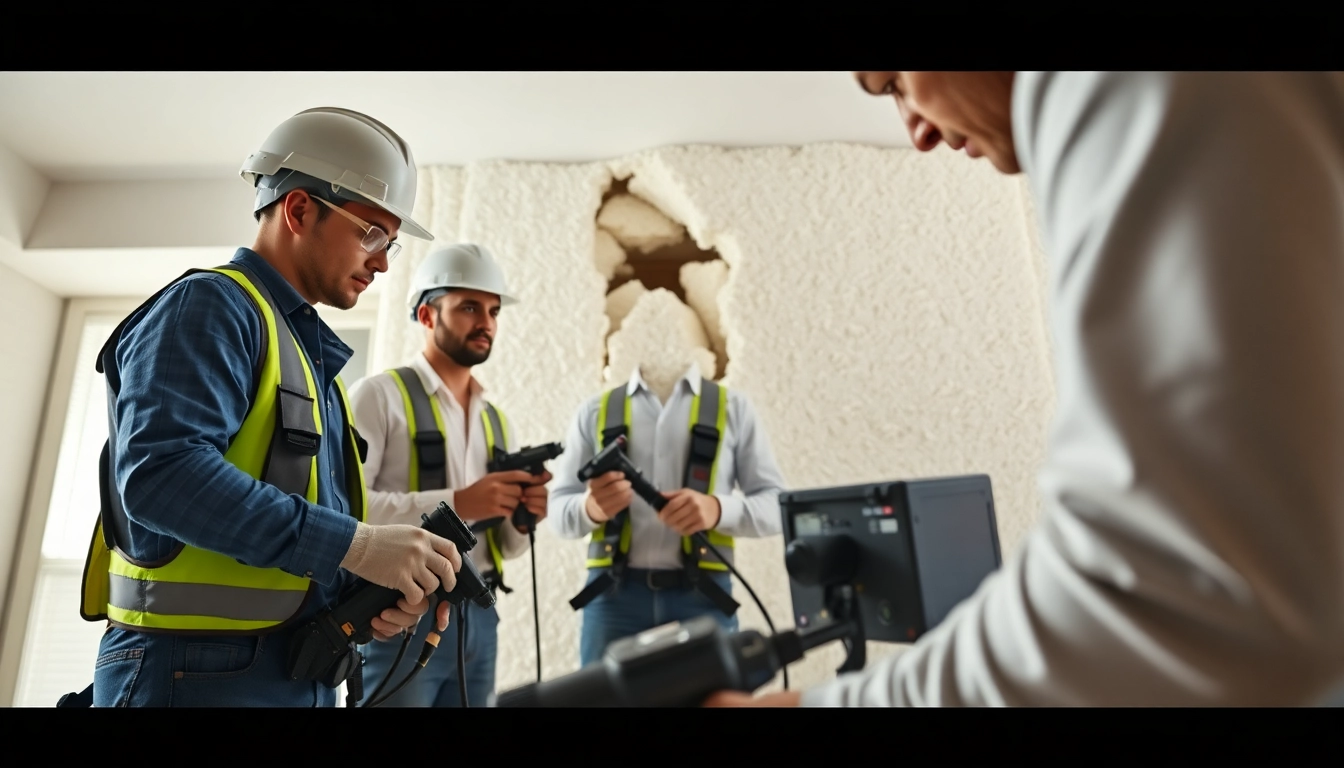
Importance of Hiring Experts for Spray Foam Removal Service
Understanding Spray Foam Removal Service
What is Spray Foam Removal?
Spray foam removal is a specialized process designed to safely and effectively eliminate spray foam insulation from various surfaces in residential and commercial settings. This method is crucial as improper handling of spray foam can lead to structural damage, health hazards, and increased costs if the foam traps moisture or damages other building materials. Professionals utilize a combination of mechanical and chemical techniques tailored to the specific application and condition of the foam, ensuring a thorough and safe removal process.
Common Reasons for Removal
Many homeowners and property managers may find themselves needing to remove spray foam for several reasons:
- Water Damage: Spray foam can trap moisture, leading to mold growth and degradation of buildings.
- Improper Installation: Poorly installed foam can lead to uneven insulation and air leaks, reducing energy efficiency.
- Renovations: Property owners may wish to replace or upgrade their insulation during renovations or upgrades.
- Health Concerns: Off-gassing from spray foam can lead to indoor air quality issues and health problems.
- Change in Building Use: A change in the building’s use may necessitate different insulation requirements.
Health and Safety Concerns
One of the most critical aspects of spray foam removal involves understanding the health and safety considerations associated with the materials. Spray foam emits isocyanates during application, which can irritate the respiratory system and skin upon contact. Therefore, proper personal protective equipment (PPE) such as gloves, masks, and goggles is imperative during the removal process. Additionally, the area should be well-ventilated, and professionals will often conduct air quality tests to ensure that harmful fumes do not linger post-removal.
Choosing the Right Professional
Qualities to Look For in a Service Provider
Selecting the right service provider for spray foam removal service is crucial for ensuring a successful removal process. Key qualities to consider include:
- Experience: Look for professionals with extensive experience specifically in spray foam removal.
- Certification: Ensure that the provider is certified and complies with appropriate health and safety regulations.
- Insurance: A reputable company should have liability insurance to protect against any potential accidents.
- References and Reviews: Check reviews and request references from previous clients to gauge the reliability and expertise of the service.
- Cost Transparency: Ensure the provider offers detailed quotes with no hidden fees.
Questions to Ask Before Hiring
Before selecting a spray foam removal service, it is prudent to ask the following questions:
- What techniques and tools will you use for the removal?
- How long do you expect the removal process to take?
- Will you conduct an assessment of the area before work begins?
- What kind of guarantees or warranties do you offer?
- How will you handle waste and cleanup post-removal?
Comparing Quotes and Services
Obtaining multiple quotes from different service providers can help you better understand the average cost and scope of services offered. When comparing quotes, consider the following:
- Scope of Work: Ensure that each quote outlines what is included, such as initial assessments, removal, and cleanup.
- Estimated Timeline: Ask how long each provider estimates the removal process will take.
- Qualifications: Look for certificates or licenses that demonstrate expertise in hazardous material handling.
The Spray Foam Removal Process
Preparation Steps for Effective Removal
Effective spray foam removal requires meticulous preparation. Professionals should follow these steps:
- Assessment: Before starting, technicians will assess the condition of the foam and the surrounding area to devise an appropriate removal strategy.
- Safety Measures: Setting up containment barriers to protect other areas from dust and debris is crucial.
- PPE Donning: All workers should wear PPE, including respirators, to avoid exposure to harmful chemicals.
Tools and Techniques Used
The tools and techniques utilized during spray foam removal can greatly impact the efficiency and safety of the operation. Some common tools include:
- Heat Guns: Used for softening the foam, facilitating easier peeling away from surfaces.
- Mechanical Scrapers: Useful for removing larger sections of foam.
- Chemical Solvents: Specific solvents can help break down the foam structure, making removal easier.
- Industrial Vacuums: Employed to clean up dust and debris post-removal, ensuring thorough cleanup.
Aftercare and Cleanup
After the removal process, thorough cleanup is essential to ensure no residual foam or harmful materials remain. This involves:
- Conducting a final inspection to ensure all foam has been properly removed and surfaces are intact.
- Cleaning the area with appropriate cleaning agents to eliminate any chemical residues.
- Disposing of the removed foam in accordance with local regulations to prevent environmental harm.
- Communicating with the property owner about next steps, including any necessary repairs or re-insulation.
Cost Considerations for Spray Foam Removal Service
Factors Influencing the Cost
Understanding the costs associated with spray foam removal service can help in budget planning. Several factors influence these costs:
- Extent of Removal: The larger the area of foam, the greater the cost.
- Foam Condition: If the foam is damaged or has been installed poorly, it may require more intensive removal techniques.
- Location: Costs can vary based on the geographical area and regional labor rates.
- Safety Regulations: Compliance with safety regulations may add to the overall expense if specialized services are required.
Budgeting for Removal Projects
When budgeting for a spray foam removal project, it’s vital to consider all associated costs, including:
- Initial assessment fees.
- Labor costs, which may differ significantly based on the company and region.
- Equipment rental fees if certain tools are required.
- Disposal fees for hazardous materials.
Long-term Savings after Removal
Although the upfront costs of spray foam removal can be significant, long-term savings can make the investment worthwhile. Improved air quality, increased home value, and enhanced overall energy efficiency are some benefits. Additionally, removing improperly installed foam can prevent future repairs related to mold and structural damage, saving homeowners from larger expenses down the line.
Frequently Asked Questions
What does spray foam removal involve?
Spray foam removal involves assessing the area, using specialized tools to safely remove the foam, and ensuring proper cleanup to avoid residue or toxicity in the environment.
Is spray foam removal safe for my home?
Yes, when conducted by professionals using proper safety measures, spray foam removal is safe and ensures no harmful residues remain in your home.
How long does the removal process take?
The duration of the removal process varies depending on the size of the area and condition of the foam but typically ranges from a few hours to a couple of days.
Can I perform the removal myself?
While DIY removal is possible, it’s not recommended due to health risks and potential property damage; hiring professionals is safer and more effective.
What should I do after the foam is removed?
After removal, inspect the area for damage, consider having it repaired or re-insulated, and improve ventilation to ensure no lingering fumes affect air quality.