
Protecting Your Vehicle: PPF Winter Road Salt Protection Explained
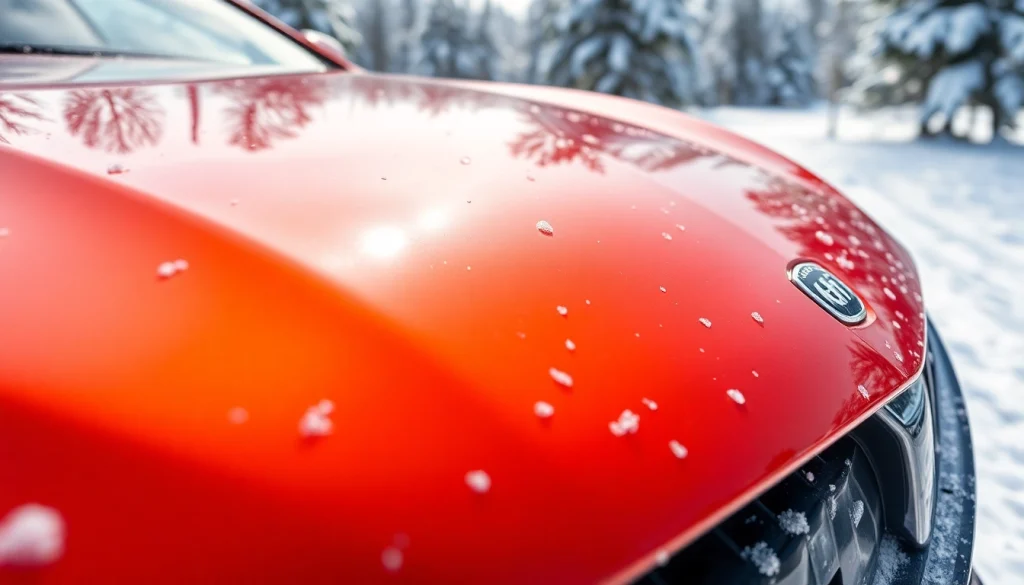
Understanding PPF Winter Road Salt Protection
As winter approaches, vehicle owners face a recurring challenge: the effects of road salt on their vehicles. Understanding PPF winter road salt protection becomes essential for maintaining your vehicle’s integrity and aesthetics. This article explores what PPF is, why winter protection is vital, and how road salt can harm your vehicle.
What is PPF?
Paint Protection Film (PPF) is a thermoplastic urethane film applied to the painted surfaces of a vehicle. This transparent layer serves as a shield against a variety of environmental hazards ranging from minor scratches to more significant damage caused by UV rays, bird droppings, and, importantly, road salt. PPF is designed to self-heal minor abrasions, making it an ideal solution for preserving the visual appeal of your vehicle.
Importance of Winter Protection
During winter, the use of road salt is common to prevent ice buildup on roads. While effective for safety, this salt poses a significant threat to a vehicle’s exterior. The corrosive nature of road salt can lead to rust, paint chipping, and even deeper structural damage if left unprotected. PPF provides a necessary barrier that mitigates these risks, making it imperative for anyone living in areas that experience harsh winters to consider this protective measure.
How Road Salt Affects Your Vehicle
Road salt, primarily sodium chloride, works by lowering the freezing point of water, thus preventing ice formation. However, its effectiveness in winter road maintenance comes at a cost. When salt gets onto your vehicle, it accelerates the oxidation process, leading to rust and corrosion. Over time, salt can seep into small scratches and chips in the paint, causing damage that spreads beneath the surface. Vehicles that are regularly exposed to salted roads may show signs of wear much faster than those that receive proper protection.
Benefits of PPF Winter Road Salt Protection
Enhancing Vehicle Longevity
One of the primary advantages of applying PPF is its ability to enhance the longevity of your vehicle’s paint job. By acting as a sacrificial layer, PPF absorbs the brunt of impacts and environmental wear. This protection helps keep your vehicle’s exterior intact, thereby delaying the costly need for repainting or extensive repairs. In doing so, you can maintain both the value and aesthetic appeal of your vehicle for many years.
Cost-Effectiveness of PPF
Investing in PPF may seem like an added expense, but it can lead to significant savings over time. The cost of repainting a vehicle or addressing rust damage caused by road salt far exceeds the cost of applying PPF. Furthermore, the long-term benefits of keeping your vehicle in excellent condition can enhance its resale value. PPF protects your investment, making it a smart, cost-effective choice for car owners.
Aesthetic Benefits of Using PPF
In addition to its protective capabilities, PPF also provides aesthetic benefits. Available in various finishes, from glossy to matte, PPF enhances the appearance of your vehicle while remaining virtually invisible. This means your car retains its original paint and style without the worry of unsightly damage due to winter conditions. Moreover, the self-healing nature of high-quality films means that minor scratches can recover on their own, keeping your vehicle looking pristine.
Installing PPF for Winter Road Salt Protection
Choosing Quality PPF Products
When selecting PPF, quality matters. Look for products that offer high durability, UV protection, self-healing capabilities, and a manufacturer warranty. Not all PPF films are created equal; investing in reputable products ensures you receive a film that will provide effective protection against road salt and other environmental elements. Researching user reviews and seeking recommendations can guide you in making an informed decision.
DIY Installation vs. Professional Services
While DIY installation of PPF is possible, it’s crucial to consider your skill level and the complexity of the installation process. Professional installers possess the expertise and tools necessary to apply PPF seamlessly, ensuring full coverage without bubbles or wrinkles. However, if you are confident in your abilities and willing to invest time, doing it yourself can be a rewarding experience. Decide what best suits your needs and budget.
Step-by-Step Installation Guide
- Prepare the Surface: Thoroughly wash and dry your vehicle, removing any wax or sealants.
- Measure and Cut: Measure the areas to be covered and cut the PPF to size, leaving extra material to adjust during application.
- Wet the Surface: Spray a mixture of water and a few drops of soap onto the vehicle’s surface. This solution allows for easier repositioning of the film.
- Apply the Film: Carefully place the PPF onto the wet surface, aligning it as needed. Use a squeegee to push out air bubbles and excess fluid.
- Trim Excess Film: Once the film is in place, trim away excess material and ensure it adheres well around edges and curves.
- Dry and Cure: Allow the PPF to dry and cure based on the manufacturer’s instructions, usually requiring 24-48 hours without exposure to water or harsh conditions.
Maintaining PPF Winter Road Salt Protection
Cleaning Your Vehicle with PPF
Maintaining your vehicle after applying PPF is essential for ensuring its longevity. Regularly washing your vehicle helps to remove road salt and grime. Use a pH-balanced automotive soap and a soft microfiber cloth or mitt to avoid scratching the film. It’s advisable to wash your car frequently during winter months to prevent salt buildup, particularly around sensitive areas such as wheel wells and undercarriage.
Inspecting for Damage and Repairs
Even high-quality PPF can suffer from damage over time. Regular inspections help identify issues early. Look for signs of bubbling, peeling, or discoloration during routine washes. If you notice any damage, promptly address it. Minor scratches can often self-heal, but deeper cuts may require patching or complete replacement of the affected PPF section.
When to Replace Your PPF
The lifespan of PPF varies based on factors such as product quality, environmental exposure, and maintenance routines. Typically, high-quality PPF can last between 5 to 10 years. If you notice consistent damage, dull appearance, or if the edges of the film start to lift, it may signify the need for replacement. Always consult professionals if you’re unsure about the condition of your film.
FAQs About PPF Winter Road Salt Protection
What is the lifespan of PPF?
High-quality PPF typically lasts between 5 to 10 years, depending on factors like maintenance and environmental exposure.
Can I wash my car with PPF installed?
Yes, it’s safe to wash your car with PPF installed. Use a pH-balanced soap and avoid abrasive materials to preserve the film’s integrity.
Does PPF change the car’s appearance?
PPF is designed to be transparent, meaning it should not alter your vehicle’s appearance significantly. Different finishes like matte or gloss can provide varying aesthetic impacts.
Is PPF worth the investment?
Yes, PPF protects your vehicle from damage that could lead to costly repairs, making it a worthwhile investment for long-term vehicle maintenance.
How does PPF protect against winter hazards?
PPF acts as a barrier against corrosive materials like road salt, preventing it from damaging the vehicle’s paint and body, thus preserving your car’s aesthetics and integrity.