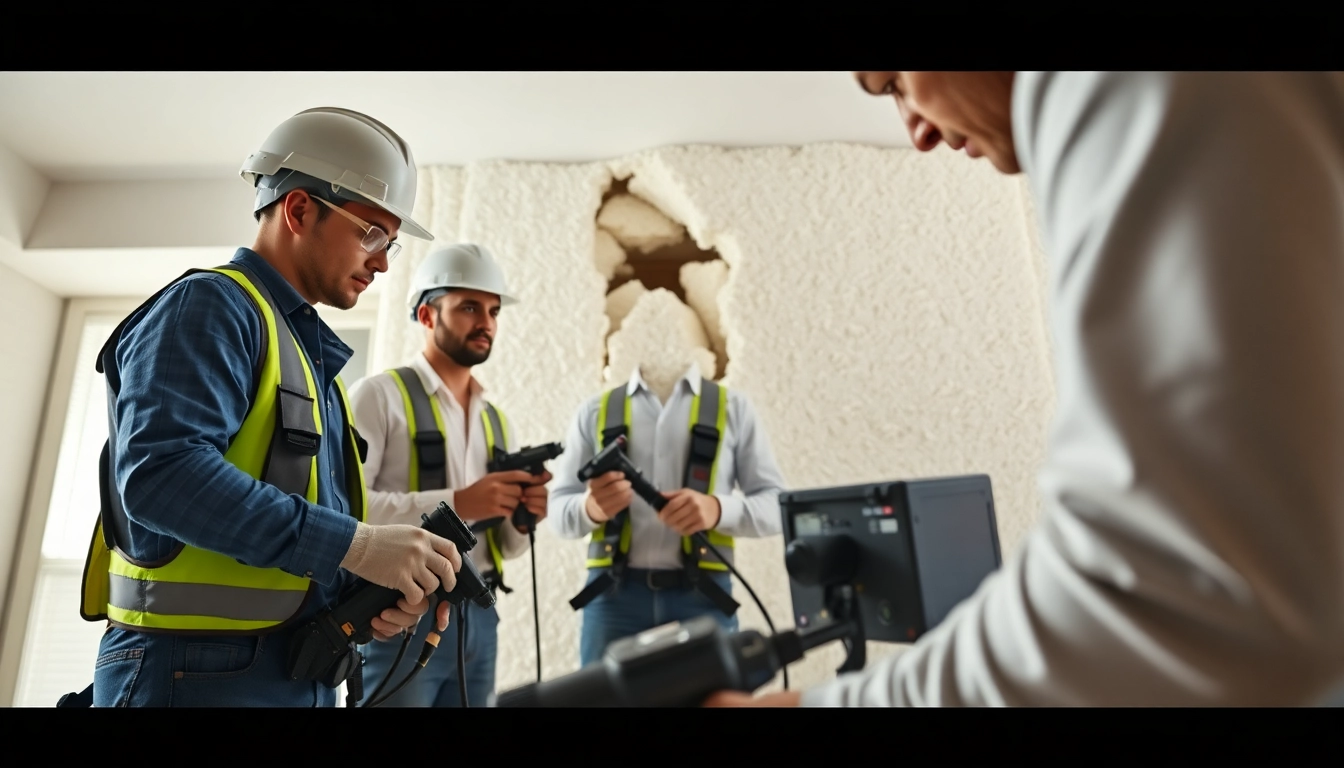

Effective Applications and Benefits of Mass Loaded Vinyl for Soundproofing
Understanding Mass Loaded Vinyl in Acoustic Applications
In our quest for a peaceful living and working environment, soundproofing has become an essential consideration for many. One popular and effective solution within this domain is Mass loaded vinyl (MLV). This unique material has gained traction for its exceptional sound-dampening properties, making it a preferred choice for both residential and commercial applications. In this comprehensive guide, we will delve into what mass loaded vinyl is, how it functions in improving acoustics, its versatility, and maintenance—offering practical insights and best practices throughout.
What is Mass Loaded Vinyl?
Mass loaded vinyl is a dense, flexible material comprised of polyvinyl chloride (PVC) combined with heavy fillers, which provides significant mass without adding bulk. This ideal weight-to-volume ratio allows it to effectively attenuate sound waves, rendering it a powerful barrier against noise transmission. The design principles of mass loaded vinyl are rooted in the physics of sound; it works by increasing the mass of surfaces for enhanced soundproofing performance.
How Does Mass Loaded Vinyl Improve Soundproofing?
The science behind mass loaded vinyl’s effectiveness lies in the mass law of acoustics, which postulates that increasing a barrier’s mass results in decreased sound transmission. As sound waves meet the mass loaded vinyl, their energy is absorbed and dissipated, leading to improved sound insulation. Notably, mass loaded vinyl is not only appreciated for blocking airborne noise but is also effective in reducing impact sounds, making it a versatile solution for numerous acoustic environments.
Common Uses of Mass Loaded Vinyl in Various Settings
Mass loaded vinyl has a broad range of applications, owing to its versatility and effectiveness. Common uses include:
- Residential Spaces: Used in wall, ceiling, and floor installations to create quieter living environments.
- Commercial Buildings: Applied in offices and conference rooms to minimize noise disruptions.
- Recording Studios: Essential for achieving crisp audio quality by isolating sound.
- Home Theaters: Enhances sound quality and immersion by preventing outside noise interference.
- Industrial Applications: Deployed in factories to reduce equipment noise and protect workers from harmful sound levels.
Advantages of Using Mass Loaded Vinyl
Cost-Effectiveness Compared to Traditional Soundproofing Methods
One of the primary benefits of mass loaded vinyl is its cost-effectiveness. While traditional soundproofing methods—such as building additional walls or using heavy acoustic panels—can be labor-intensive and expensive, mass loaded vinyl streamlines the process. For a fraction of the cost, it provides effective soundproofing without compromising space, making it an economically viable option for both homeowners and businesses.
Versatility in Application Across Different Spaces
The flexibility of mass loaded vinyl allows it to be used in various applications. Whether it’s being installed on walls, ceilings, or floors, its lightweight and adaptable nature makes it convenient for different environments. Moreover, mass loaded vinyl can be cut into different shapes and sizes, allowing it to fit unconventional spaces effectively.
Impact on Aesthetics and Design Considerations
When it comes to aesthetics, mass loaded vinyl is available in various colors and finishes, which allows it to blend seamlessly with existing decor. Unlike cumbersome acoustic panels that can dominate a space, mass loaded vinyl offers a subtle approach to soundproofing that minimizes visual clutter. This attribute makes it an attractive option for design-conscious individuals who seek to maintain a design ethos while improving sound quality.
Installation Techniques for Mass Loaded Vinyl
Preparing Surfaces for Effective Installation
Proper installation begins with preparation. Ensure that surfaces are clean, dry, and free from debris or dust, as a solid foundation ensures better adhesion. For uneven or rough surfaces, consider sanding down or applying a primer to create a smooth application area for the mass loaded vinyl.
Step-by-Step Installation Process
- Measure and Cut: Begin by measuring the area where mass loaded vinyl will be installed. Cut the vinyl carefully, using a utility knife or similar tool.
- Apply Adhesive: Use a suitable adhesive for construction projects to coat the area where the mass loaded vinyl will adhere.
- Press Firmly: Place the cut vinyl onto the adhesive and press firmly to ensure secure bonding.
- Seal Edges: Use caulk or tape to seal edges and eliminate gaps, maximizing sound isolation.
- Allow to Cure: Let the installation cure as recommended by the adhesive manufacturer for optimal results.
Common Mistakes to Avoid During Installation
While installing mass loaded vinyl may seem straightforward, certain pitfalls can hinder performance. Common mistakes include:
- Failing to prepare the surface adequately can compromise adhesion.
- Not sealing edges properly can result in sound leakage.
- Using improper adhesives can weaken the bond over time.
- Not allowing enough time for the adhesive to cure before using the space can impact soundproofing effectiveness.
Maintenance and Care for Mass Loaded Vinyl
How to Clean and Maintain Mass Loaded Vinyl Panels
The maintenance of mass loaded vinyl is relatively straightforward, requiring routine cleaning to maintain its effectiveness. Use a damp cloth with mild soap to clean the surface regularly. Avoid harsh chemicals that could damage the vinyl. Additionally, inspect panels periodically for any signs of wear or damage to ensure continued effectiveness in soundproofing.
Long-Term Durability Expectations
Mass loaded vinyl is designed for durability, with a lifespan that can exceed a decade when properly maintained. Its resilience against tearing, puncturing, and other forms of wear makes it a reliable choice for long-term acoustic solutions. With appropriate care and attention, mass loaded vinyl can continue to function effectively over its expected life span.
Signs of Wear and When to Replace Panels
Recognizing signs of wear is crucial for maintaining sound insulation capabilities. Common indicators that replacement may be necessary include:
- Visible tears or punctures in the vinyl.
- Cracking or rigidity that suggests degradation.
- Compromised adhesive bonds that affect placement.
If any of these signs are present, consider replacing the affected panels to maintain optimal soundproofing performance.
FAQs About Mass Loaded Vinyl
What is the thickness of mass loaded vinyl recommended for optimal soundproofing?
For effective soundproofing, mass loaded vinyl is typically available in thicknesses of 1/8 inch to 1/4 inch. The thicker the vinyl, the more sound-dampening properties it generally has, though considerations of installation ease also play a part.
Can mass loaded vinyl be applied to existing walls?
Yes, mass loaded vinyl can be easily applied to existing walls, making it a practical solution for retrofitting soundproofing without major construction work.
Is mass loaded vinyl environmentally friendly?
Mass loaded vinyl is generally considered safe for indoor use, but it’s crucial to verify that it meets local environmental regulations. Some manufacturers also produce eco-friendly variants.
How does mass loaded vinyl compare to other soundproofing materials?
Mass loaded vinyl offers superior sound attenuation compared to many traditional materials like fiberglass and foam. Its weight and flexibility allow it to block sound more effectively than lighter options.
What are the best ways to dispose of used mass loaded vinyl?
Used mass loaded vinyl should be disposed of according to local waste management regulations. Consider recycling or using a waste-to-energy facility if available, ensuring minimal environmental impact.