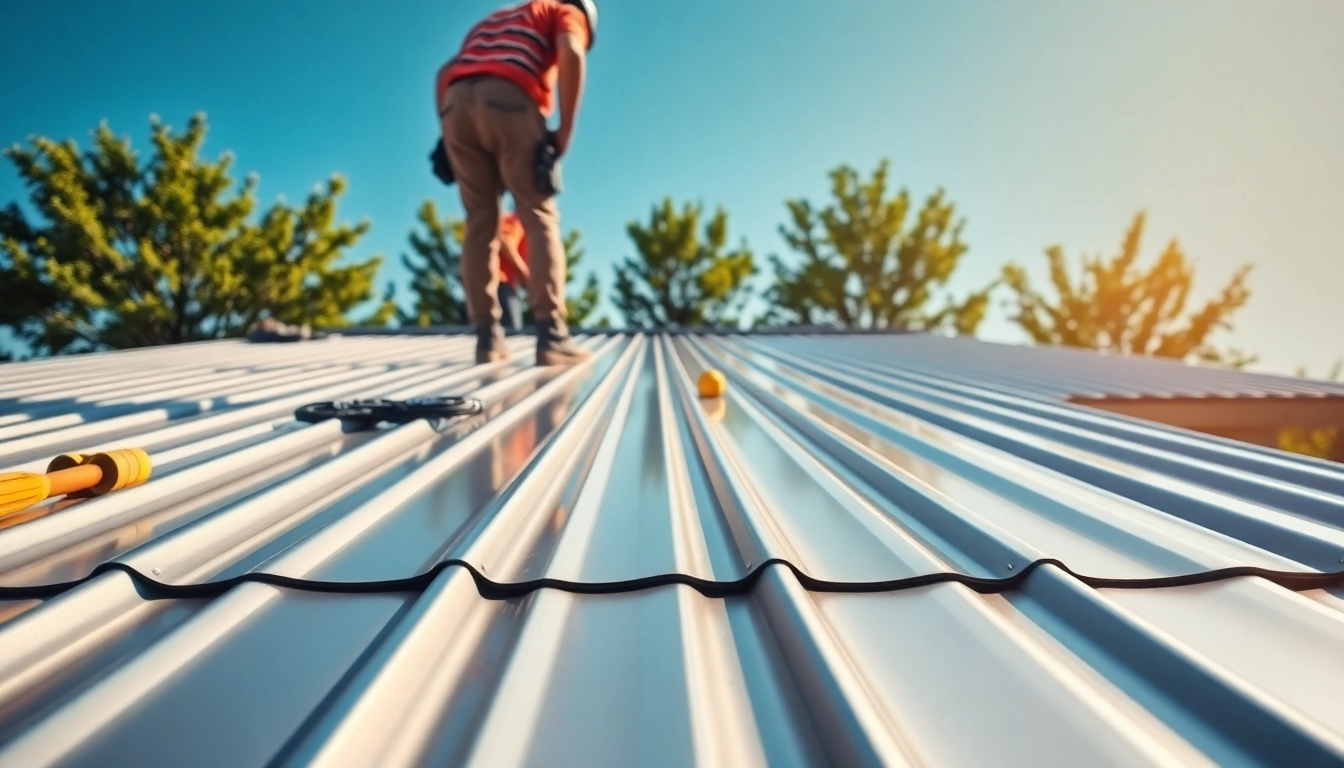
Reliable Benefits and Features of Metal Roofing for Your Home
Understanding Metal Roofing
What is Metal Roofing?
Metal roofing is a highly durable roofing solution made from metal parts or tiles. It is designed to last longer than traditional roofing materials like asphalt shingles, offering homeowners a sustainable and reliable option for protecting their properties. Metal roofing is not just functional; it comes in various styles and colors, allowing for aesthetic flexibility as well. This roofing type is increasingly popular among homeowners seeking durability, energy efficiency, and minimal maintenance.
Types of Metal Roofing Materials
Metal roofing comes in various materials, each with its distinct advantages and characteristics. Here are some of the most commonly used types:
- Steel: Known for its strength and durability, steel is often galvanized or coated to prevent rust. It’s available in different finishes and colors.
- Aluminum: Lightweight and resistant to corrosion, aluminum is an excellent choice for coastal areas where salt is prevalent.
- Copper: This premium option is aesthetically pleasing and remarkably durable. It develops a distinctive patina over time, adding visual appeal.
- Zinc: Like copper, zinc is long-lasting and develops a protective patina, which means it can last for decades with little maintenance.
- Galvalume: This material combines aluminum and zinc to enhance corrosion resistance and durability, making it a popular choice for residential roofs.
How Metal Roofing Works for Your Home
Metal roofing functions by creating a watertight seal that effectively directs water and snow off your roof. Its interlocking panels minimize the risk of leaks and improve performance during adverse weather conditions. This roofing type can also reflect solar radiant heat, significantly reducing cooling costs in warmer climates. Additionally, with the right underlayment and insulation, metal roofing contributes to better overall energy efficiency in your home.
Benefits of Metal Roofing
Energy Efficiency of Metal Roofing
One of the most distinct advantages of metal roofing is its energy efficiency. Metal roofs reflect solar heat, which helps to keep homes cooler in the summer and reduces air conditioning costs. Studies indicate that metal roofing can save homeowners between 10% to 25% in energy costs annually compared to traditional roofing materials.
Longevity and Durability of Metal Roofing
Metal roofing is renowned for its long lifespan, often exceeding 50 years with proper installation and maintenance. Its ability to withstand extreme weather conditions, including high winds, hail, and heavy snow loads, makes it a top choice for regions that experience severe weather. Additionally, metal roofing is resistant to cracking, shrinking, and eroding, further enhancing its durability.
Cost-Effectiveness of Metal Roofing Over Time
While the initial investment in metal roofing may be higher than traditional materials, its long lifespan, minimal maintenance, and energy efficiency translate into long-term savings. Over time, homeowners can expect a considerable return on investment, making it a financially sound choice. Moreover, many metal roofs come with warranty periods of 30 years or more, providing additional peace of mind.
Installation Process of Metal Roofing
Preparing Your Home for Metal Roofing Installation
Before installing metal roofing, it’s essential to prepare your home adequately. This includes assessing the existing roofing structure, removing old roofing if necessary, and repairing any damage to the underlying framework. A thorough examination will ensure a successful installation and maximize the roof’s lifespan. Also, ensure that local building codes and regulations are observed.
Steps Involved in Metal Roofing Installation
The installation process of metal roofing generally involves several key steps:
- Preparation of the Roof Deck: This involves cleaning and repairing the roof surface, making sure it is suitable for the new metal roofing.
- Installation of Underlayment: A moisture barrier is laid down to protect the roof deck from water intrusion.
- Roof Panel Installation: Metal panels are then installed according to the manufacturer’s instructions, ensuring proper overlap and fastening.
- Weatherproofing: Flashing is added around edges, vents, and chimneys to prevent leaks.
- Final Inspection: Once installed, a thorough inspection is done to ensure everything is secure and functioning properly.
Common Mistakes to Avoid During Installation
To achieve optimal results during metal roofing installation, avoid these common mistakes:
- Poor Ventilation: Ensure adequate roof ventilation to prevent moisture buildup.
- Ignoring Manufacturer Guidelines: Always follow the manufacturer’s installation instructions for the best outcomes.
- Choosing Incompatible Materials: Ensure that all components, including insulation and underlayment, are compatible with the metal roofing system.
- Overlooking Water Drainage: Design the roof with proper drainage systems to avoid water pooling.
Metal Roofing Maintenance
Regular Inspections and Upkeep
Regular maintenance is key to extending the lifespan of your metal roofing. Schedule inspections at least twice a year, checking for loose fasteners, corrosion, and other signs of wear. Keeping this maintenance routine will ensure your roofing remains in optimal condition and performs effectively.
How to Clean Metal Roofing
Cleaning your metal roof while maintaining safety is important. Use a gentle detergent mixed with water and a soft-bristle brush or cloth. Avoid harsh cleaners that may damage the finish. Regular cleaning will help remove debris and prevent buildup that can lead to corrosion.
Signs Your Metal Roofing Needs Attention
Be vigilant for signs that your metal roofing may need maintenance or repair, such as:
- Visible rust or corrosion
- Loose or missing panels
- Water leaks in your home
- Peeling paint or coatings
Frequently Asked Questions About Metal Roofing
How long does metal roofing last?
Metal roofing can last 40 to 70 years, depending on the material and maintenance. Its durability often far exceeds traditional roofing options.
Is metal roofing noisy during a rainstorm?
While metal roofs can be noisier than shingles during rain, adding insulation and underlayment can significantly dampen the sound.
Can I install metal roofing over existing shingles?
Yes, metal roofing can often be installed over existing shingles, but it’s essential to check that the structure is sound and complies with local building codes.
Is metal roofing suitable for all climates?
Metal roofing is suitable for a variety of climates, including areas with extreme weather conditions. Its properties make it resistant to rot, insects, and harsh temperatures.
What colors are available for metal roofing?
Metal roofing is available in a wide range of colors and finishes, including vibrant hues and metallic options, allowing you to enhance your home’s exterior aesthetics.