
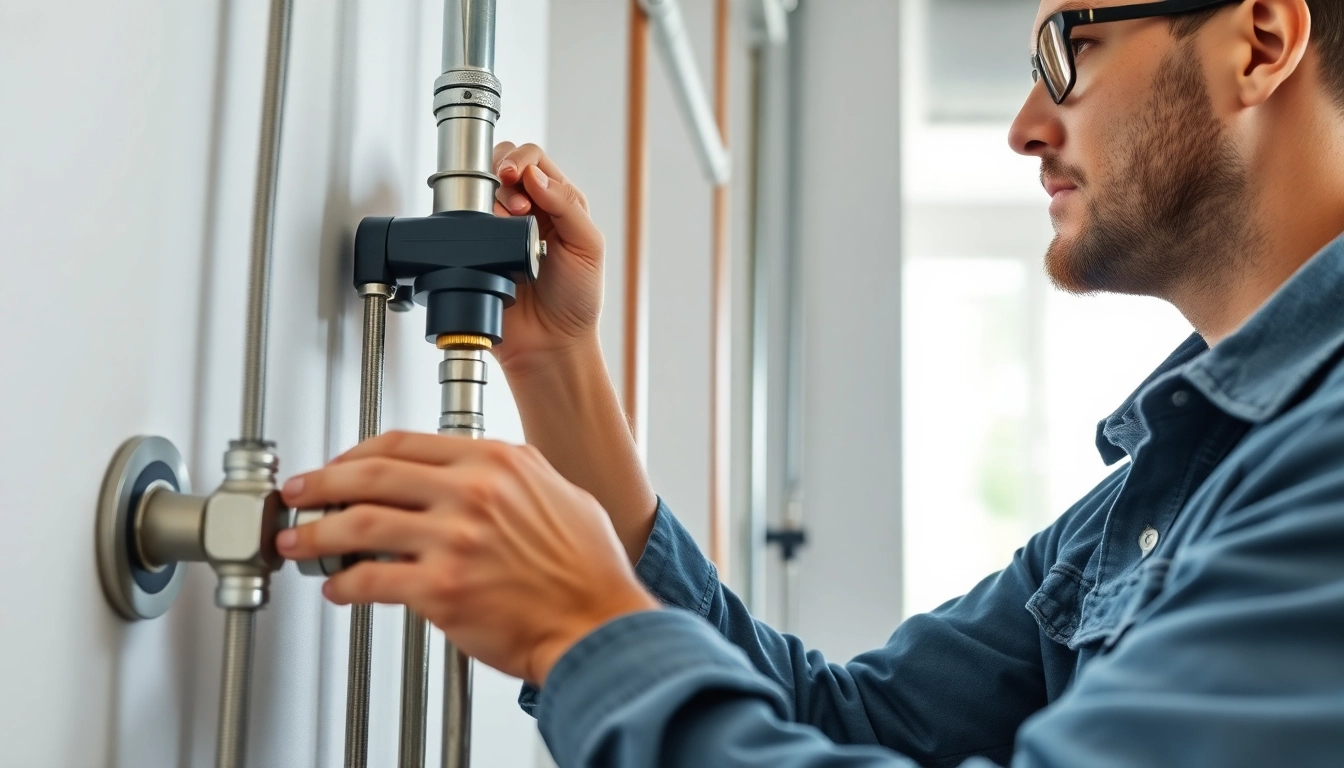
Reliable Whole House Repiping Services Tampa for Safe and Efficient Plumbing
Understanding Whole House Repiping Services Tampa
What is Whole House Repiping?
Whole house repiping refers to the comprehensive process of replacing all the pipes in a residence with new ones. This often becomes necessary when the existing plumbing is old, corroded, or has sustained damage. The plumbing system is critical in providing clean water to your home and ensuring proper drainage. When repiping, the outdated pipes—often made of materials like lead or galvanized steel—are replaced with modern alternatives such as copper, PEX, or CPVC, which are designed to last longer and perform better.
Why Consider Repiping Your Home?
Homeowners may consider repiping for several reasons. One major factor is plumbing issues that can lead to leaks, reduced water pressure, or discolored water. Additionally, increased knowledge about the harmful effects of outdated piping materials has prompted homeowners to upgrade. Modern repiping systems advance efficiency, safety, and reliability, making it a smart investment for both older and newer homes. For those residing in the Tampa Bay Area, researching whole house repiping services Tampa can reveal various options available.
Common Signs You Need Repiping
Recognizing the need for repiping is crucial for homeowners. Some common indicators include:
- Frequent leaks or water damage.
- Low water pressure.
- Discolored or rusty water.
- Unpleasant odors from tap water.
- Visible corrosion on pipes.
- Water stains or mold growth in walls or ceilings.
Any of these signs could mean that your plumbing is compromised and may benefit from a complete repiping service.
The Whole House Repiping Process Explained
Initial Assessment and Inspection Steps
The first step in the repiping process involves a thorough assessment by a licensed plumbing professional. This inspection consists of:
- Identifying the type and condition of existing pipes.
- Checking for leaks and locations of water damage.
- Evaluating water pressure throughout the home.
- Assessing the positioning of new pipes to maximize efficiency.
This step is critical to determine the best course of action for the repiping project and to identify any additional concerns that may need addressing.
Choosing the Right Materials for Your Repiping
Choosing the right materials for repiping is essential for long-term performance and efficiency. The most common materials include:
- Copper: Highly durable and resistant to corrosion, making it a long-term favorite.
- PEX (Cross-Linked Polyethylene): Flexible, lightweight, and resistant to scale and chlorine, often favored for its ease of installation.
- CPVC (Chlorinated Polyvinyl Chloride): Cost-effective and resistant to corrosion, suitable for hot and cold water supply.
Consultation with a plumbing professional can assist in making the best choice based on your specific needs, local building codes, and budget.
Timeline and Expectations for the Project
The timeline for a whole house repipe varies based on the size of your home and the complexity of the project. Generally, a complete repipe can take anywhere from one to several days. Factors influencing this timeline include:
- Size of the property.
- Accessibility of plumbing systems.
- Weather conditions (for outdoor work).
- Materials chosen.
Prior to the job, homeowners should expect a detailed discussion about the project, including a timeline, cost estimates, and what to anticipate regarding disruptions to daily life.
Benefits of Whole House Repiping Services Tampa
Improved Water Quality and Pressure
Replacing old pipes leads to significant improvements in water quality and pressure. Corroded pipes often lead to rust and the accumulation of sediments, which can contaminate your water. By repiping, homeowners can enjoy cleaner, fresher water and optimal water pressure, enhancing daily activities from drinking to showering and washing dishes.
Increased Home Value and Safety
Investing in whole house repiping can significantly increase your home’s value. Prospective buyers appreciate modern and reliable plumbing systems, making your home more appealing on the market. Additionally, eliminating outdated pipes considerably reduces the risks associated with plumbing issues, contributing positively to your home’s overall safety and longevity.
Energy Efficiency and Cost Savings
Repiping improves energy efficiency, as new piping can support modern appliances and fixtures that operate more effectively. These efficiencies often translate into lower utility bills and fewer repair costs over time. Moreover, replacing aging pipes can also reduce the frequency and expenses linked to plumbing emergencies.
Common Myths About Repiping and Their Truths
Repiping is Only for Old Homes
Many people believe repiping is necessary only for older homes; however, newer homes can also experience plumbing issues due to faulty installations or materials. It is vital to assess the condition of your plumbing regardless of your home’s age.
Repiping is Extremely Expensive
While repiping can initially seem costly, homeowners often overlook the long-term benefits and cost savings. The investment can lead to fewer plumbing emergencies and lower water bills, often making it worthwhile.
DIY Repiping is a Practical Option
Although some homeowners may consider DIY projects, repiping is not a recommended DIY task due to its complexity and local plumbing codes. Hiring a qualified plumbing service ensures the work is done correctly and safely, ultimately saving time and money.
FAQs About Whole House Repiping Services Tampa
How long does repiping typically take?
Repiping can take from one to several days, depending on the property’s size and complexity. A plumbing professional will provide a timeline based on your specific situation.
What signs indicate I need to repipe?
Common signs include frequent leaks, low water pressure, discolored water, corrosion on pipes, and unpleasant odors. These indicate potential plumbing issues requiring attention.
Will repiping improve my water quality?
Yes! Repiping typically results in significant improvements in water quality by eliminating old, corroded pipes that can contaminate your water supply.
What materials are recommended for repiping?
Common materials include copper, PEX, and CPVC. Each has its benefits, so consult a plumbing professional to find the best option for your home.
Is repiping a messy process?
While repiping can create some mess, professional plumbers often take measures to minimize disruption, such as using drop cloths and cleaning up after the job is done.